
From Abandoned Buildings to New Investments: Why ALTA Surveys Matter
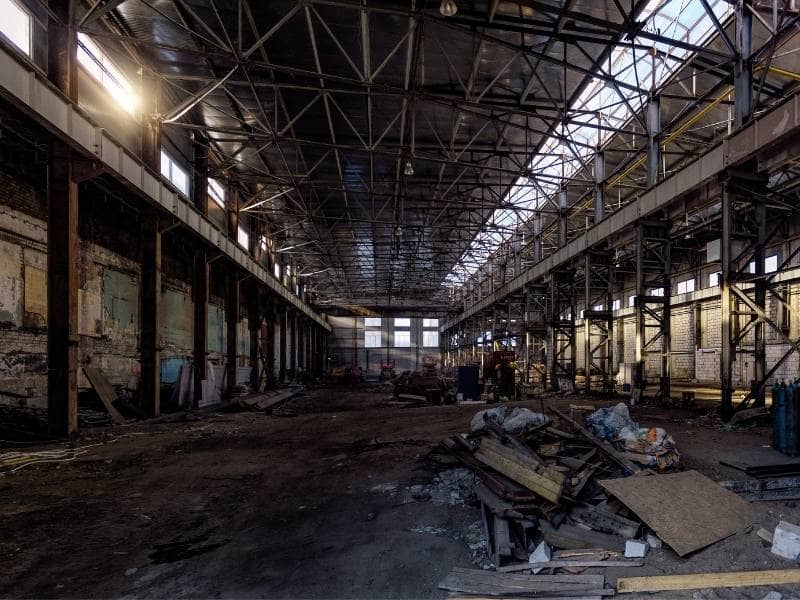
Empty buildings and unused commercial sites often look like blank slates ready for new life. Investors see space, location, and room to grow, but they also face hidden layers of history and rules. An ALTA survey reveals the full picture of what sits on and around the land. It turns guesswork into clear facts so you can decide if the site truly fits your redevelopment goals.
Many older or vacant properties have changed hands many times, and records may be incomplete or outdated. What looks like open space could come with restrictions, existing structures, or rights that limit how you can build. Starting with an ALTA survey gives you the confidence to move forward with a solid plan.
Seeing Redevelopment Potential Beyond a Vacant Property
When you look at an abandoned warehouse, closed shopping center, or empty office block, you only see what is visible. You cannot see where the legal lines end, which parts belong to the property, or what rights others may have to use the land. The layout you see today may not match the official description written in deeds or maps.
Some sites appear large enough for big plans, but setbacks, easements, or old agreements may shrink the usable area. Others have boundaries that shift from what fences or curbs suggest. An ALTA survey digs into those records and compares them to the actual ground. It shows you exactly what you own and what rules apply, so you can judge the true potential before investing time or money.
Existing Site Improvements Can Shape Every Redevelopment Decision
Even when buildings sit empty, they leave behind features that stay in place. You may find old parking lots, loading ramps, utility lines, access roads, sidewalks, or foundation remains. Some of these items can be reused to lower costs, while others may be in the way or not allowed under current rules.
Knowing exactly where each feature sits helps you decide what to keep, what to fix, and what to remove. For example, a well-placed driveway can save you from building a new one, but a utility line running through the center of the lot may change your entire design. An ALTA survey maps all these details clearly. It gives you a reliable base to plan how the site will work for its new purpose. You can count on site improvement data to guide these choices.
Why Redevelopment Projects Require More Than Architectural Vision
Great ideas alone do not make a successful project. Architects draw plans that look good and function well, but those plans must also fit the land itself. Civil engineers need to know slopes, boundaries, and access points to design drainage and infrastructure. Land planners must follow zoning rules and property limits to get approvals.
An ALTA survey acts as the shared source of truth for everyone involved. It removes confusion that comes from old maps or incomplete records. When every team uses the same accurate information, designs align with reality from day one. You avoid reworking plans or adjusting layouts because of hidden site conditions. This coordination keeps the project moving in the right direction. You can rely on property documentation to keep all parties on the same page.
Reducing Redevelopment Uncertainty Before Construction Dollars Are Committed
One of the biggest risks in redeveloping older sites is the unknown. You might set a budget based on what you can see, only to find out later that you need extra work to fix boundary issues, move utilities, or correct misaligned improvements. These surprises drive up costs and delay timelines.
An ALTA survey removes much of that uncertainty early. It shows you what is possible and what is not before you finalize designs or hire contractors. You can create realistic cost estimates, plan the order of work, and decide which changes give the best return. This early clarity helps you protect your investment and stay on track through every phase of the project.
How ALTA Surveys Support the Next Chapter of Commercial Properties
Turning an abandoned site into something useful again is about more than just tearing down walls or pouring concrete. It is about giving the property a new role in the area. Whether you want to build offices, retail space, a medical facility, or mixed-use housing, you need proof that the land will support that use.
An ALTA survey stays useful long after planning ends. It becomes part of the permanent record for permits, financing, and future changes. It also adds value to the asset by showing clear boundaries and existing conditions to lenders, buyers, or partners. This document lays the groundwork for a smooth transition from empty space to a thriving, profitable property.
Frequently Asked Questions
Why are ALTA Surveys valuable for commercial redevelopment projects?
They provide a complete and accurate view of the property, combining legal records with physical measurements. This helps you understand limits, existing features, and restrictions before you spend money on design or construction.
Can an ALTA Survey document existing site improvements before redevelopment begins?
Yes, it maps all visible structures, roads, utilities, and other improvements. It also notes their location relative to boundaries and easements, so you know exactly what you are working with.
How do developers use ALTA Survey information when planning adaptive reuse projects?
They use it to decide which parts of the site can stay and which must change. It helps them fit new designs within legal limits and use existing features to save time and money.
Should an ALTA Survey be updated before renovating or repurposing an abandoned commercial property?
Yes. Older records may be incomplete or outdated. An updated survey reflects the current condition of the site and meets modern standards required by lenders, insurers, and local authorities.
Can an ALTA Survey help coordinate architects, engineers, and site planners during redevelopment?
Absolutely. It gives every team member the same set of facts. This reduces errors, avoids conflicting plans, and ensures everyone designs according to the actual layout and rules of the property.
What role does an ALTA Survey play after a commercial property has already been purchased?
It becomes a key reference for all future work. It supports permit applications, financing requests, and any changes to the property. It also provides clear proof of boundaries and conditions if you ever decide to sell or expand.
