
Before Concrete Is Poured, Construction Surveys Help Make Sure Everything Starts in the Right Place
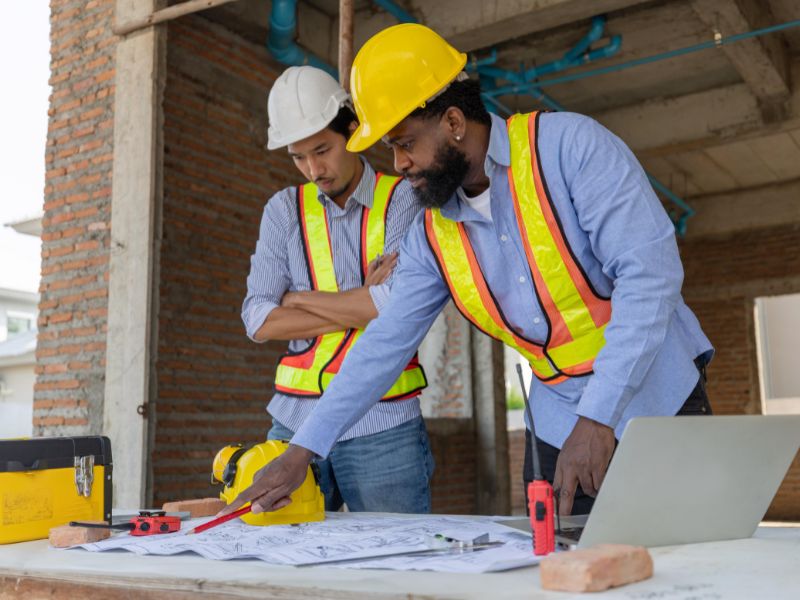
The earliest stages of a construction project stick around forever. Once concrete is poured into the ground, it hardens into a rock-solid foundation. This foundation becomes the permanent base for the entire building. Every wall, doorway, and roof beam relies completely on where that concrete sits. If a foundation is poured just a few inches off target, it cannot be easily adjusted or slid over.
Confirming the layout before the concrete mixer trucks arrive is simple. Moving a wooden form or shifting a marker takes just a few minutes. However, trying to fix a mistake after the concrete sets is nearly impossible. Because the foundation dictates where the rest of the structure must go, getting it right the first time is the only way to ensure the building stands exactly where it belongs.
Elevation Points Matter Long Before the Building Takes Shape
Before any walls go up, workers must look at vertical measurements, or how high or low things sit. Elevation control is all about managing height before the building even exists. Long before the first floor is put in, teams have to map out grading plans, which show how the dirt should slope. They also look at drainage requirements to ensure that rainwater flows away from the structure instead of flooding it.
These height measurements tell workers exactly how deep to dig and where the foundations must start. If the ground is not leveled to the right height, the finished floor might end up too low, causing water issues later. Paying close attention to elevations early on ensures that the building sits safely above the surrounding ground.
Underground Utilities Need Their Own Space Before Surface Work Begins
A lot of the most important parts of a building are completely hidden underground. Water lines, sewer connections, electrical pipes, and storm drains must all be buried deep in the dirt before anyone can pour concrete floors or pave parking lots. These systems need their own precise space to function properly.
Construction surveys are used to map out these exact underground pathways. The survey markers guide the digging crews so that every pipe aligns perfectly with the master engineering plans. Placing these utilities accurately ensures that the water and power lines fit into their designated spots before the surface is sealed over with stone and concrete.
Building Plans Must Be Transferred From Paper to the Actual Site
Architectural drawings look perfect on a computer screen or a flat piece of paper, but the real world is full of hills, rocks, and uneven dirt. The big challenge is translating those paper designs into physical reality. This process changes digital lines into real-world reference points that workers can see and touch.
To bridge this gap, survey crews use special tools to measure the dirt and drive physical stakes into the ground. These stakes show contractors exactly where the paper dimensions belong in the real world. Turning a design document into a physical layout ensures that the ideas on the blueprints match the actual conditions of the land.
Early Accuracy Creates More Flexibility Later in the Project
Starting a project with precise measurements gives owners and builders a lot of freedom later on. When the base of a building is perfectly accurate, the entire structure becomes much more adaptable. If an owner decides to change a room layout or add an extra window later in the project, these adjustments are much easier to make.
A strong, accurate beginning also makes official building inspections go smoothly. Because the initial structure is exactly where it is supposed to be, future phases can be built with total confidence. Starting with perfect accuracy means you can handle unexpected changes without ever having to touch or redo the completed work.
Frequently Asked Questions
Why is it important to verify locations before pouring concrete?
Concrete foundations are permanent. Confirming measurements beforehand ensures the structure starts in the correct location, because once the concrete hardens, it cannot be easily moved.
What information does a construction survey provide before construction begins?
Construction surveys provide the physical reference points, heights, and layout markers needed to position foundations and utilities accurately on the ground.
Why are elevations important during the early stages of construction?
Elevation information shows how high or low the land sits. This supports grading plans and drainage requirements so rainwater flows away from the building.
Can construction surveys help with underground utility placement?
Yes. Construction surveys show workers exactly where to bury underground utilities according to the engineering plans before the ground is covered with concrete.
Who benefits from construction surveys before concrete work starts?
Homeowners, builders, contractors, developers, engineers, and commercial property owners all rely on construction surveys to make sure their projects are built accurately.